
The off-season is where pole vault seasons are won. Meets reward what you built in the quiet months: strength, speed, body control and a plant you can trust. This 12-week plan gives high school and college vaulters, and the coaches and parents behind them, a simple structure to follow. Adjust the volume to your age, experience and access to a pit.
How the 12 weeks are built
The plan has three blocks of four weeks. Each block builds on the last, moving from general fitness to vault-specific work.
Take one lighter week every fourth week if athletes feel flat. Recovery is part of the plan, not a break from it.
Weeks 1 to 4: Foundation
The goal here is to build a body that can handle vaulting later. Keep sessions controlled and focus on good form.
- Strength: two or three sessions a week of squats, deadlift variations, presses, pull-ups and rows. Our weight training guide for pole vaulters lists the key lifts.
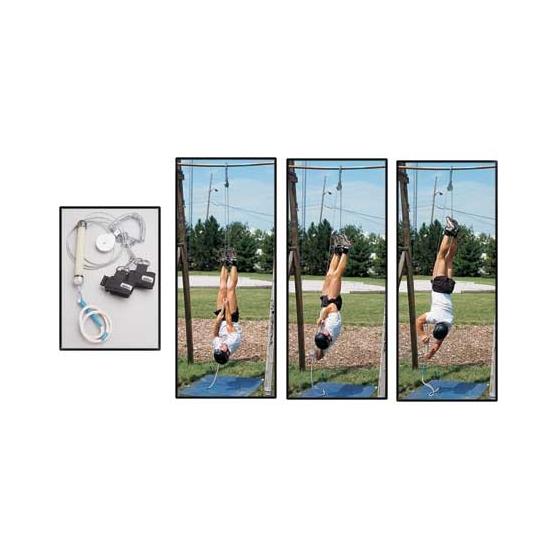
- Core and gymnastics: hanging leg raises, rope climbs, handstands, rolls and bar swings. These build the upside-down awareness vaulting needs.
- Sprint mechanics: A-skips, B-skips, wicket runs and short accelerations over 10 to 30 m.
- Pole work: pole carries, pole runs on the track and walking plant drills. No full jumps yet.
Weeks 5 to 8: Build
Now the work gets faster and more specific. Strength sessions get shorter and more explosive, and vaulting returns from a short approach.
- Power: jump squats, power cleans or medicine ball throws, kept to low reps with full rest.
- Plyometrics: bounding, hurdle hops and single-leg hops, starting with low volume.
- Speed: flying sprints and timed runs over 20 to 30 m. Read should pole vaulters do speed training? for why this matters.
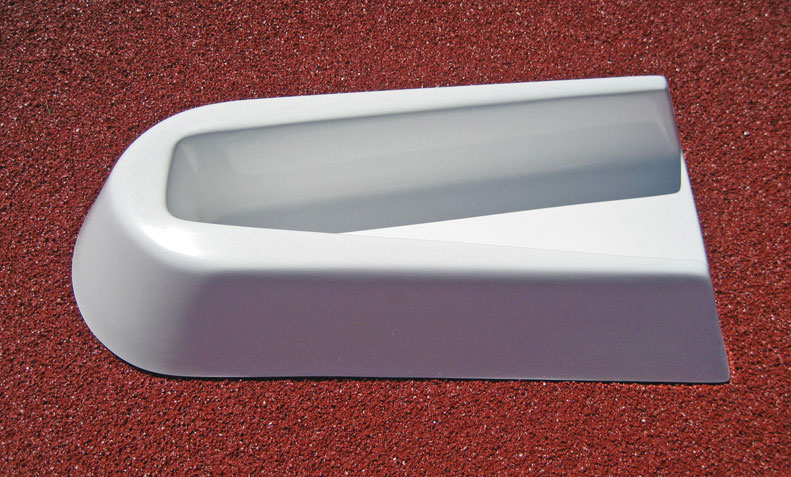
- Vaulting: one or two short-run sessions a week (four to six steps), focused on an early, tall plant. A sliding plant box lets athletes rehearse the plant on any track or grass area.
Weeks 9 to 12: Sharpen
The last block brings it all together. Volume drops, quality rises, and athletes start to run their real approach.
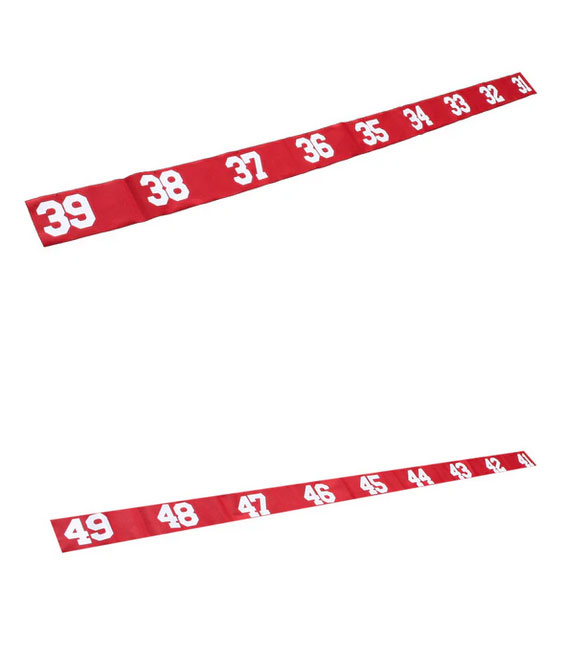
- Approach: mark and measure the full run. Use a midmark to check consistency and log every run.
- Vaulting: mid and full approach jumps, with some sessions run like a meet: warm-up, three attempts per height, rest between jumps.
- Strength: maintain, do not chase new maxes. Two short sessions a week is enough.
- Fault fixing: pick one technical fault per week to work on. Our list of 7 common pole vault faults is a good starting point.
A sample training week
This template fits most school and club schedules. Swap days to suit pit access and weather.
Drill of the off-season: the plant box run-through
This drill builds the plant without needing a pit. It works well in weeks 3 to 10.
- Set a sliding plant box on the track or firm grass.
- Start with a four-step approach and a low grip.
- Carry the pole tall and start the plant early, two steps out.
- Hit the box with the top arm fully extended above your head and drive off the takeoff foot.
- Let the box slide and run through, staying tall. Do not jump or swing.
- Do six to ten reps, then add two steps once the plant looks the same every time.
For more on arm position, see how to plant the pole correctly. For more drills to rotate through the plan, try our best pole vault drills.
Coach and parent checklist
- Every athlete has a written plan and a training log.
- Poles are checked for damage and matched to each athlete's current weight.
- Pit and box access is booked for weeks 5 to 12.
- Sleep, food and school stress are part of the conversation.
- Any pain that changes how an athlete moves is checked by a medical professional before training continues.
- Approach marks and grip are measured and recorded before the season starts.
The bottom line
Good off-season training is simple and consistent. Build strength and gymnastics first, add power and short-run vaulting next, then sharpen speed and the full approach. Vaulters who follow a plan like this usually arrive at the first meet fitter, more confident and ready to jump.
Hand-picked products

Some links on this page are affiliate links. If you buy through them we may earn a small commission at no extra cost to you. It helps keep Pole Vault Club free.